
Demystifying ARFID: A Non-Judgmental Guide to Its Causes and Impact
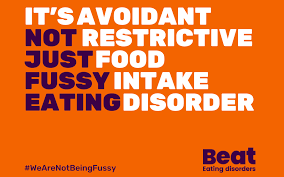
ARFID, Avoidant/Restrictive Food Intake Disorder, is a recognised eating disorder that has nothing to do with body image, weight control, or vanity. For those who live with it, food is not a source of pleasure or comfort. It can feel genuinely threatening – a source of anxiety, sensory overwhelm, or physical dread.
Despite growing clinical recognition, ARFID remains widely misunderstood. Adults who have struggled with food for decades are often told they are “fussy” or “difficult.” Parents watch their child refuse food and are reassured they will “grow out of it.” These responses, however well-intentioned, miss the point entirely. ARFID is not a choice, and it is not a matter of willpower. It is a complex interaction between the brain, the body and lived experience – and it deserves to be understood on those terms.
More Than “Picky Eating”
Most children go through phases of selective eating. ARFID is different. Where typical food preferences are flexible and expand over time, ARFID involves a rigid and persistent pattern of avoidance that significantly affects nutrition, physical health, daily functioning or emotional wellbeing – or all of these.
Critically, ARFID is not driven by concerns about weight or shape. The restriction is rooted in something else entirely: the sensory experience of food, a fear of something bad happening when eating, or a genuine absence of appetite or interest in food. For many people, eating feels unsafe – not in a way they can easily articulate, but in a way that is deeply felt.
This distinction matters. It means that approaches designed for other eating disorders – where the driving concern is body image – are often not appropriate for ARFID. It requires its own framework, its own language and specialist treatment for ARFID that addresses what is actually going on.
What Causes ARFID?
There is no single cause. Like other eating disorders, ARFID develops through a combination of biological vulnerability, psychological factors and individual experience. Understanding these contributing factors is not about assigning blame – it is about making sense of something that can feel bewildering for the person experiencing it and for those around them.
Sensory Sensitivity
For many people with ARFID, the sensory properties of food – texture, taste, smell, temperature, appearance – are experienced far more intensely than they are by others. A texture that most people barely notice can feel genuinely intolerable. This is not exaggeration or drama. It reflects real differences in how the nervous system processes sensory information.
This heightened sensitivity is often present from early childhood and is particularly common in autistic individuals and those with other neurodevelopmental differences. From a neuro-affirming perspective, this is not a fault to be corrected – it is a difference to be understood. But when it results in a severely restrictive food intake that compromises nutrition and quality of life, it becomes something that benefits from clinical support.
Fear of Adverse Consequences
Some people develop ARFID following a frightening experience connected to eating – choking, vomiting, an allergic reaction or severe pain. The brain learns to associate eating (or specific foods, or eating in general) with danger, and avoidance becomes a protective response.
This is not irrational. It is the nervous system doing exactly what it is designed to do: keeping the person safe from a perceived threat. The difficulty is that the avoidance can generalise – spreading from one food to many, from one context to all contexts – until eating itself becomes a source of significant anxiety.
Low Appetite and Limited Interest in Food
A third presentation involves people who simply do not experience hunger in the way others do. They may have little awareness of hunger cues, find eating effortful or unrewarding, or feel full very quickly. This is not laziness or indifference – it reflects differences in interoceptive awareness (the ability to recognise internal body signals) and in the brain’s reward response to food.
For these individuals, eating can feel like a chore rather than a threat – but the consequences of consistently under-eating are just as real.

The Impact of Living with ARFID
The Emotional Toll
In a world where social life revolves around food – meals out, family gatherings, work lunches, dates – ARFID creates isolation. The anxiety of being watched, judged or questioned about what you eat (or don’t eat) leads many people to avoid social situations altogether. Over time, this can erode confidence, relationships and quality of life.
Many adults with ARFID describe years of shame – the feeling that something is fundamentally wrong with them, compounded by a culture that treats food preferences as a character issue. Children with ARFID can become withdrawn, anxious about school meals and birthday parties, or distressed by well-meaning but pressurising comments from adults.
Physical Consequences
A limited range of safe foods often means nutritional gaps – deficiencies in iron, calcium, vitamins and other essential nutrients. The physical consequences can include fatigue, poor concentration, weakened immunity, delayed growth in children and long-term health risks. These are not minor inconveniences. They are medical concerns that warrant proper assessment and support.
For Families: Moving Beyond Pressure
If you are a parent supporting a child with ARFID, you may have been told to “just keep offering new foods” or to use reward-based systems to encourage eating. For some children, these strategies can increase anxiety rather than reduce it – turning mealtimes into battlegrounds and reinforcing the child’s sense that eating is dangerous or stressful.
A more helpful approach focuses on reducing demand around food, creating a calm mealtime environment, and working at the child’s pace rather than against their instincts. This does not mean giving up. It means understanding that your child’s avoidance is driven by something real – and that the route to expanding their diet runs through safety, not pressure.
Support for parents and carers can make a significant difference – both in understanding what your child is experiencing and in looking after your own wellbeing through what is often an exhausting and isolating process.
What Helps
ARFID responds to structured, specialist treatment – but it needs to be the right kind. A multidisciplinary approach is particularly important because ARFID sits at the intersection of sensory processing, anxiety, nutrition and sometimes neurodevelopmental difference.
At The London Centre, our multidisciplinary clinical team includes psychologists, dietitians and occupational therapists who work together to address the full picture. Dietitians support nutritional rehabilitation and gradual food range expansion. Occupational therapists bring expertise in sensory processing – helping individuals explore new foods through a sensory lens rather than a pressurised one. Psychologists address the underlying fears, avoidance patterns and emotional impact using evidence-based approaches including CBT adapted specifically for ARFID.
Treatment is always personalised. We work gently, step by step, to help you or your child feel safe, understood and in control of the pace of change.
What to Do Next
If what you have read here feels familiar, whether for yourself or for someone you care about, getting a formal diagnosis is a helpful starting point. A specialist eating disorder assessment provides clarity about what is happening, why, and what treatment is likely to help.
Assessments can take place in person or remotely, which can feel more manageable for people who find new environments difficult. There is no expectation to commit to treatment at this stage – it is simply an opportunity to be heard, to have your experience taken seriously and to understand the options available to you.
Whatever stage you are at, we are here to listen and to guide you toward the right support.