
Eating Disorder Resources
and Body Image Support: Specialist Clinical Information & Recovery
Accessing support for an eating disorder can feel overwhelming. You might be noticing early signs, feeling unsure what is “serious enough,” or struggling to find the right kind of help.
At The London Centre for Eating Disorders and Body Image, we provide specialist, psychology-led care designed to bridge the gap between recognising a problem and accessing effective treatment.
This page brings together clear clinical guidance, practical eating disorder resources, and direct pathways into support.

Targeted Eating Disorder Resources and Support Hubs

Why Clinical Expertise Matters
Eating disorders are complex mental health conditions that affect both psychological and physical health. Effective treatment typically requires input from clinicians with specific training in eating disorder models and risk management.
General counselling approaches may not address the full range of maintaining factors, particularly where there are nutritional, behavioural, and medical components involved.
A specialist assessment provides:
Accessing appropriately specialised support can make a significant difference to both the experience of treatment and longer-term recovery.

Downloadable resources
Useful links
Our Integrated Multidisciplinary Team (MDT)
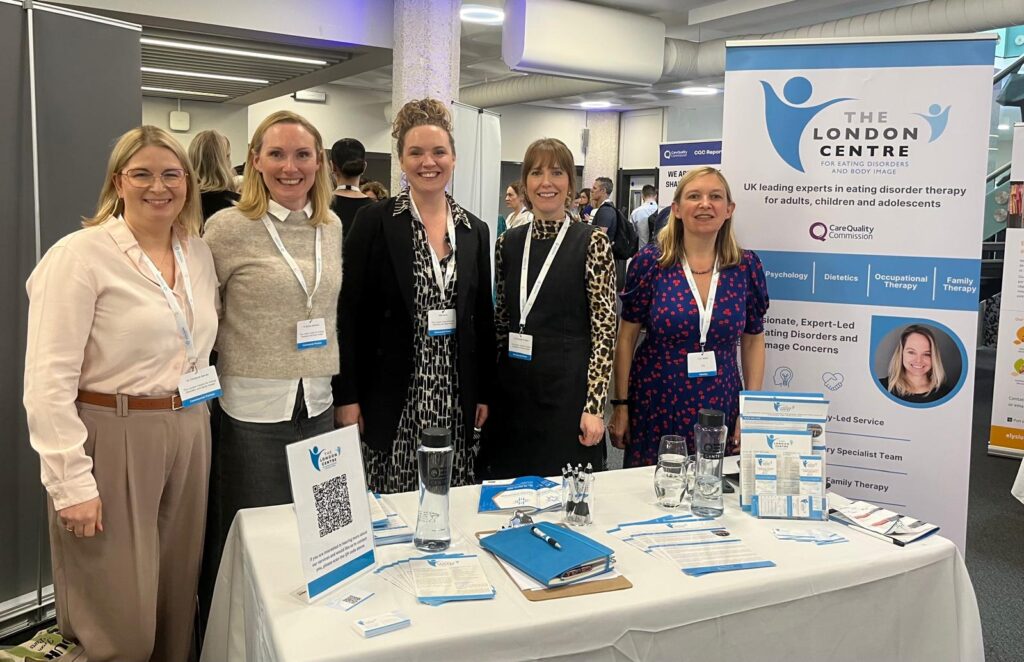
We are a specialist eating disorder team working across psychology, psychiatry, dietetics and occupational therapy to provide coordinated care. Whilst many clients will only require the input of one clinician, there are cases where coordinated care is very likely to lead to better outcomes.
When needed our clinicians can work closely together to ensure:
This allows us to support a wide range of needs, from early concerns through to more complex presentations, within a structured outpatient setting.
Understanding Your Treatment Options
Support may include:
Remote Eating Disorder Resources Across the UK
Lower-Cost Options with a Trainee Psychologist
Fees, Insurance, and Transparency
Understanding Your Journey
Clarifying What You Are Experiencing
Understanding what you are experiencing is not always straightforward. While eating disorders may be part of the picture, other psychological or medical factors can also contribute, and it is important to consider these carefully.
A clinical assessment does not simply focus on diagnosis. Where appropriate, this may include identifying an eating disorder or other mental health condition, but it also involves developing a broader understanding of the difficulties.
This includes:
This process helps ensure that any recommendations for treatment are accurate, appropriate, and tailored to the individual, rather than based on assumptions or labels alone.

Recognising Early Signs
Building Awareness
(Further resources coming soon)
Evidence-Based Insights and Real-World Recovery
Recovery and Relapse Prevention
Eating disorder recovery involves more than symptom change — it is about building a sustainable relationship with food, body, and self.
Patient Testimonials and Media
Explore:
The Eating Disorder Hub Blog
Our eating disorder recovery blog shares clinical insights, practical eating disorder resources, and reflections on recovery to support you alongside therapy.

Take the First Step with The London Centre
Book an Initial Assessment
If you are concerned about yourself or someone else, an assessment is the most effective place to start. You do not need a diagnosis or referral.