
Anorexia in Men: Understanding the Signs and Finding Specialist Support
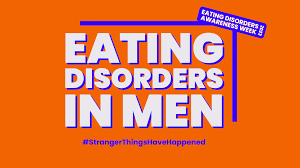
Anorexia nervosa affects people of all genders, ages and backgrounds. Yet the persistent misconception that eating disorders are exclusively, or primarily, female conditions continues to shape public understanding, media representation and, critically, who feels entitled to seek help.
For men experiencing anorexia, this misconception creates a specific and significant barrier. When the condition is framed as something that happens to other people, recognising it in yourself becomes harder. Asking for help becomes harder still.
This matters clinically. Research suggests that men account for a significant proportion of people with eating disorders, yet consistently present later to services and are less likely to be identified by professionals. The issue is not that anorexia presents differently in men, though there are some differences worth understanding, but that the cultural context around masculinity makes the condition easier to miss and harder to talk about.
Why Men With Anorexia Are Underrepresented in Treatment
Eating disorders do not discriminate. They arise from a combination of biological vulnerability, psychological factors and environmental triggers that interact differently for every individual. Gender does not protect against any of these.
What gender does influence is the social context in which the eating disorder develops and is maintained. For many men, restrictive eating can become entangled with culturally endorsed narratives around fitness, discipline and body composition, narratives that frame extreme control over food and exercise as admirable rather than concerning. This can make it genuinely difficult to distinguish between dedication and disorder, both for the individual and for those around them.
There is also the reality that many men experience significant stigma around emotional vulnerability. Eating disorders are deeply personal conditions, often connected to distress, shame and a sense of being out of control. In a culture that still rewards stoicism in men, acknowledging that food and body image have become sources of suffering requires overcoming not just the eating disorder itself, but the expectation that these are not things men are supposed to struggle with.
The result is that many men live with anorexia for years before seeking help, or seek help for related difficulties like low mood, anxiety or fatigue without the eating disorder being identified.
Recognising the Signs of Anorexia in Men
The core features of anorexia are consistent across genders: restriction of food intake, intense preoccupation with weight or body shape, and significant physical or psychological consequences. However, there are patterns that are worth being aware of in men specifically.
Physical indicators may include noticeable weight loss, fatigue, poor concentration, feeling cold, digestive difficulties, dizziness and reduced muscle mass. In men, restriction can also lead to hormonal changes including reduced testosterone, which may affect mood, energy, libido and bone density.
Psychological signs include persistent preoccupation with food, calories, body composition or exercise performance. For some men, the focus may be less on thinness per se and more on achieving a particular physique, leanness, muscularity, or a specific body fat percentage. The underlying mechanism is the same: rigid control over food and body becoming a way to manage emotional distress or create a sense of achievement and identity.
Behavioural changes often include increasingly rigid eating patterns, avoidance of social situations involving food, withdrawal from relationships, compulsive or excessive exercise, and difficulty being flexible around meals or routines. These behaviours can be particularly hard to identify when they overlap with gym culture or sporting commitments that normalise extreme discipline around food and training.
If you recognise these patterns, in yourself or in someone you care about, they are worth taking seriously, regardless of weight. A person does not need to be visibly underweight to have anorexia, and waiting for physical signs to become obvious often means the condition has become more entrenched and harder to treat.

The Role of Fitness Culture in Maintaining Restriction
One of the more clinically important considerations in men with anorexia is how fitness and gym culture can function as both a trigger and a maintaining factor. Environments that emphasise body composition tracking, strict macronutrient control, fasting protocols and high-volume training can provide a socially acceptable framework for what is, underneath, a restrictive eating disorder.
This does not mean that everyone who trains seriously has an eating disorder. But when exercise becomes compulsive rather than enjoyable, when missing a session causes significant anxiety, when food is experienced primarily as fuel to be optimised rather than something to be enjoyed — these are signs that the relationship with food and body has shifted into something that deserves clinical attention.
The difficulty is that these behaviours are often reinforced. Compliments about physique, admiration for discipline, and validation from training communities can make it harder for someone to recognise, or admit, that something is wrong.
How Specialist Treatment Supports Recovery
Effective treatment for anorexia in men follows the same evidence-based principles as for anyone with the condition, while being sensitive to the specific context in which the eating disorder has developed and is maintained.
At The London Centre, our specialist multidisciplinary team (MDT) brings together psychologists, psychiatrists, dietitians, occupational therapists and family therapists for anorexia to address the full picture, not just eating behaviours, but the emotional, relational and practical factors that surround them.
Psychological treatment typically involves approaches such as CBT-E, which targets the maintaining mechanisms of the eating disorder, or MANTRA, which explores the function the eating disorder serves and helps develop alternative ways of meeting those needs. Both are recommended by NICE and are delivered in a collaborative, non-judgemental way that works with each person’s individual presentation.
Specialist dietetic support is an important part of recovery, particularly for men whose restriction has affected physical health, hormonal function or athletic performance. Our dietitians work alongside the psychological team to support a gradual, sustainable return to balanced eating, without rigid meal plans or approaches that feel controlling.
For partners, family members and friends who are concerned about someone, we also offer sessions to help those supporting a person with an eating disorder understand the condition and develop confidence in how to respond.
What an Assessment Involves
Taking the first step toward treatment can feel daunting, particularly if you have spent a long time managing alone, or if seeking help feels at odds with how you believe you should cope.
An initial assessment at The London Centre is a supportive conversation with a specialist clinician. Together, you will explore your current difficulties, what has been happening with eating and exercise, your physical health and your goals. From there, you will agree on a personalised treatment plan. It is also an opportunity to meet the clinician, understand their approach and decide whether it feels right for you.
Assessments are available in person at one of our clinics in London or Manchester, or online, and we do our best to accommodate new clients quickly.
Frequently Asked Questions
Is “manorexia” a clinical term?
No. “Manorexia” is a colloquial term that is not used in clinical practice. It is not a separate condition, anorexia nervosa is anorexia nervosa, regardless of gender. The term can trivialise a serious illness and reinforce the misconception that eating disorders in men are somehow different or less significant. We would always use the clinical term.
How can I support a male partner or friend with anorexia?
Express concern gently, without focusing on weight or appearance. Avoid commenting on what they are or are not eating. Listen without judgement, and encourage them to speak to a specialist. It can be helpful to acknowledge that seeking help takes courage, particularly when cultural expectations make it harder to be open about this kind of difficulty. If you would like guidance on how to support someone, our team can offer advice.
If you or someone you care about is experiencing difficulties with eating, exercise or body image, specialist support can make a meaningful difference, and it is available whenever you are ready to reach out.