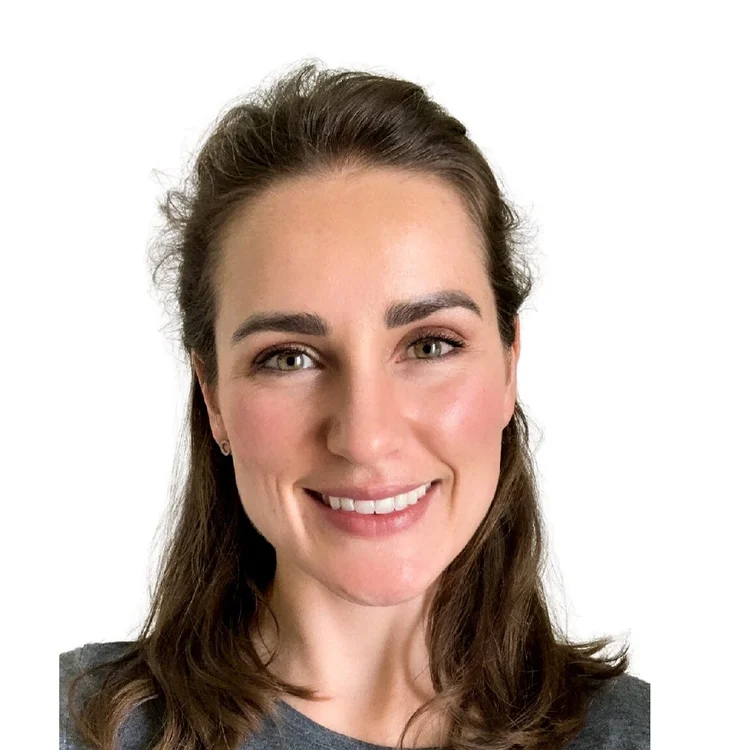
Kendra Blake
Specialist Integrative and Occupational Therapist · she/her
BSc (Hons) Occupational Therapy 2015
Registration
- Professional bodies: HCPC, RCOT
- Registration number(s): HCPC: OT74981 · RCOT: BT0255363
- Public register entry: https://www.hcpc-uk.org/check-the-register/professional-registration-detail/?query=OT74981&profession=OT
Quick facts
- Year qualified: 2015
- Years in eating disorders: 10 years
- Consults at: Remote
Biography
I qualified as an Occupational Therapist at the University of Cape Town, and spent a number of years working therapeutically with eating disorders, addiction and general psychiatry in South Africa. I then moved to the United Kingdom in 2019 to work in a therapeutic day service for people with eating disorders before joining The London Centre in 2021.
approach to treatment
In my therapeutic work, I strive to create a safe, caring and containing space to support people to explore their distress and find ways to alleviate this; aiming to work closely with clients in regaining their sense of independence and autonomy within their recovery journey. I utilise my skills as an Occupational Therapist to help people optimise their potential within their daily tasks, roles and chosen activities.
areas of interest / specialism
I have a keen interest in Body Dysmorphic Disorder (BDD), compulsive exercise and Binge Eating Disorder (BED) and have extensive experience supporting clients in these areas of their recovery. I am passionate about working holistically with clients’ mental and physical well-being.