Body Dysmorphia Disorder (BDD) Treatment
Specialist, evidence-based treatment for body dysmorphia disorders in a compassionate, confidential setting designed to support lasting recovery.
Body Dysmorphia EXPLAINED
What Is Body Dysmorphia Disorder?
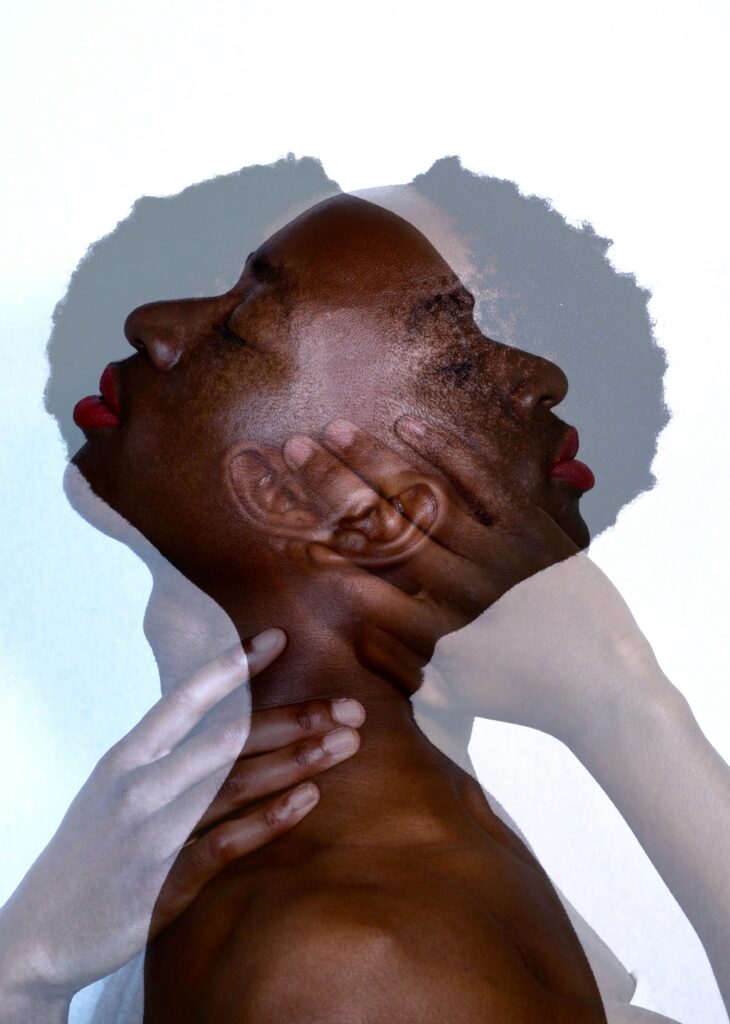
Body Dysmorphic Disorder (BDD) is a recognised mental health condition characterised by intense preoccupation with one or more perceived flaws in appearance. These concerns often feel very real and distressing to the individual, even if the perceived differences are not visible to others. People seeking BDD help commonly describe spending significant time worrying, checking, or attempting to “fix” these perceived flaws.
1.25M
people living with an eating disorder
BDD is a treatable condition.
With appropriate assessment and structured support, individuals can experience meaningful and sustained improvements in daily functioning and quality of life.
46%
of Adults feel unhappy about their appearance
The Link Between BDD and OCD
BDD is part of the obsessive–compulsive spectrum and shares features with OCD, including intrusive, repetitive thoughts and compulsive behaviours aimed at reducing distress. In BDD, these patterns focus specifically on appearance concerns.
Understanding this link helps guide treatment, as many evidence-based approaches used for OCD, such as cognitive behavioural techniques and exposure-based interventions, are also effective in supporting recovery.
Emotional and Psychological Aspects
BDD is associated with marked anxiety, shame, intrusive thoughts, and distress linked to appearance. These experiences can significantly impair self-esteem, increase social withdrawal, and maintain a cycle of repetitive behaviours aimed at reducing perceived threats or discomfort.
The Importance of Understanding
BDD is not vanity and is not something a person can simply “think their way out of”. It is a complex psychological condition that requires compassionate understanding and structured therapeutic intervention.
Signs and Symptoms of BDD
Common signs include:
How The London Centre
Supports Recovery
Treatment at The London Centre is expert-led, confidential, and grounded in evidence-based clinical practice. Our approach is structured, thoughtful, and responsive to each individual’s psychological needs and level of impairment. Where appropriate, psychological therapy may be complemented by psychiatric consultation, medication, or other specialist support.
Our focus is on improving emotional well-being, reducing symptom severity, and supporting clients to regain confidence and function effectively in everyday life.
Personalised and Collaborative Care
Each treatment plan is individually formulated. We work collaboratively to establish goals, understand maintaining factors, and create a programme of care that is paced and adapted to the individual’s needs.

Body Dysmorphia Treatment
Effective body dysmorphia therapy targets the cognitive, behavioural, and emotional processes that maintain BDD. It can also address past experiences that may have resulted in, or intensified BDD symptoms. Our body dysmorphic disorder counselling options draw on robust psychological models and are designed to help clients develop new ways of responding to intrusive thoughts and appearance-related distress.
Therapies offered include:
A Holistic Approach to Recovery
We support clients to make changes not only in thought patterns but also in daily routines, behaviours, and emotional coping strategies. Therapeutic work focuses on rebuilding a realistic and compassionate sense of self and strengthening the ability to navigate appearance-related triggers more effectively.
Benefits of Specialist Body Dismorphia Treatment
When to Seek Help for
BDD
Professional body dysmorphia help should be sought whenever appearance concerns begin to affect mood, relationships, or daily functioning. Many individuals delay seeking treatment due to shame or fear of being misunderstood, or because they do not believe that they have BDD.
All treatment at The London Centre is confidential, specialist, and tailored. No concern is “too small” to bring to a professional.
Start your journey
Take the First Step
Towards Recovery
Recovery from BDD is entirely possible with structured, specialist support. Our team is experienced in working with individuals whose lives have been significantly impacted by appearance-related distress, and we offer a safe, non-judgmental environment in which to begin this work. If you or someone you care about is struggling, we are here to help.